


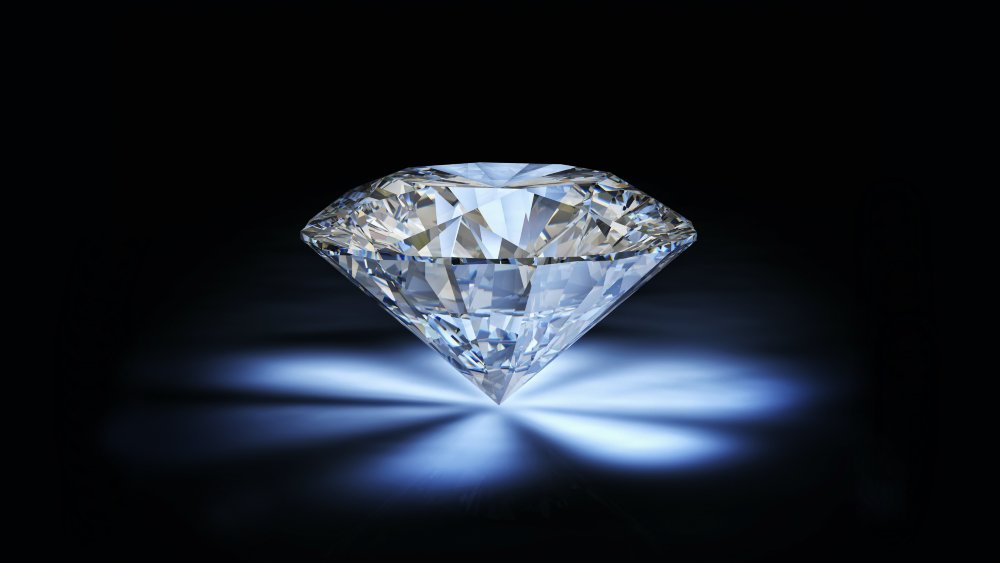
Diamonds have long been regarded as the ultimate symbol of luxury, love, and permanence. Whether in engagement rings, jewelry, or as investment assets, diamonds have captivated hearts for centuries. However, the way diamonds are sourced has evolved dramatically in recent years, with the rise of lab-grown diamonds challenging the traditional market for mined diamonds.
In this article, we explore the differences between mined or lab grown diamonds, their environmental impact, pricing, and the ethical considerations that have emerged as more consumers weigh their options.
Table of Contents
What Are Mined Diamonds?
Mined diamonds, also known as natural diamonds, are formed deep within the Earth under extreme pressure and heat over millions to billions of years. These diamonds are found in volcanic pipes, which are then excavated through large-scale mining operations. The diamonds are extracted and then cut and polished into gemstones.
Mining for diamonds is a complex, labor-intensive process. It requires heavy machinery and often involves the use of explosives to break through rock. While some mines are carefully managed, mining activities can contribute to environmental degradation, including habitat destruction, soil erosion, and water pollution. In addition, diamond mining can sometimes be linked to human rights issues, particularly in conflict regions where so-called “blood diamonds” are extracted.
What Are Lab-Grown Diamonds?
Lab-grown diamonds, also referred to as synthetic or cultured diamonds, are created in laboratories using advanced technology that mimics the natural process by which diamonds are formed in the Earth. There are two primary methods for producing lab-grown diamonds:
- High Pressure High Temperature (HPHT): This process replicates the natural conditions found deep within the Earth. Carbon is exposed to high pressure and temperature, allowing it to crystallize into a diamond.
- Chemical Vapor Deposition (CVD): This technique involves placing a diamond seed in a chamber filled with carbon-rich gas, which is then heated to create a plasma. The carbon atoms then deposit onto the seed, growing into a diamond.
Lab-grown diamonds are physically, chemically, and optically identical to mined diamonds, making them indistinguishable to the naked eye without specialized equipment. The main difference is their origin—lab-grown diamonds are created in a controlled environment in a fraction of the time it takes for natural diamonds to form.
Price Comparison
One of the most significant differences between mined and lab-grown diamonds is the price. Mined diamonds are generally more expensive due to the labor-intensive extraction process, rarity, and the costs associated with bringing them to market. The rarity of natural diamonds adds to their allure and cost.
Lab-grown diamonds, on the other hand, are more affordable. The production process is more efficient and less costly, which allows lab-grown diamonds to be priced lower. Typically, lab-grown diamonds can be 30% to 50% less expensive than their mined counterparts, which has made them an attractive option for many consumers.
Environmental and Ethical Considerations
As concerns about climate change and sustainability continue to rise, consumers are becoming more conscious of the environmental impact of their purchases. Diamond mining can be an environmentally damaging process. Mining operations often involve deforestation, significant water usage, and pollution, affecting local ecosystems. The carbon footprint of mining is also substantial due to the energy required to extract and transport diamonds.
In contrast, lab-grown diamonds are considered more environmentally friendly. The process of creating diamonds in a lab consumes less energy and does not involve the large-scale destruction of landscapes. However, it’s important to note that the environmental impact of lab-grown diamonds can vary depending on the energy source used in the manufacturing process. When lab-grown diamonds are created using renewable energy, their environmental impact is considerably lower.
Ethically, lab-grown diamonds provide an alternative to conflict diamonds, also known as blood diamonds, which are mined in war zones and often fund violence and exploitation. Lab-grown diamonds offer a clear advantage in this regard, as they are free from the ethical concerns that have plagued the diamond industry.
The Emotional Value of Diamonds
Diamonds, whether mined or lab-grown, hold immense emotional value for those who purchase them. For some, owning a natural diamond represents a connection to the Earth’s history and the unique journey it has taken to become a beautiful gemstone. Others may appreciate the idea that a mined diamond is a rare and enduring symbol of love, one that has been formed over millions of years.
On the other hand, man made diamonds offer the same visual beauty and enduring quality as mined diamonds, but at a more accessible price. For consumers who prioritize sustainability and ethical sourcing, a lab-grown diamond can carry a deep sense of satisfaction, knowing that it was created without contributing to environmental harm or human rights abuses.
The Future of Diamonds
As technology continues to advance, the lab-grown diamond industry is expected to grow, with more consumers embracing this option. In addition to their affordability and ethical appeal, lab-grown diamonds are gaining acceptance as their quality and production methods improve. They are already widely used in engagement rings, fashion jewelry, and even in industrial applications.
However, mined diamonds are not likely to disappear. Many people still desire the rarity and historical significance that comes with natural diamonds. For some, owning a diamond that has been formed over billions of years holds a special appeal that cannot be replicated.
Conclusion
The decision between mined and lab-grown diamonds ultimately depends on individual preferences, values, and budget. Mined diamonds represent a timeless connection to the Earth, but they come with higher costs and ethical concerns. Lab-grown diamonds, by contrast, offer an affordable, sustainable, and ethically sourced alternative that holds the same beauty and allure.
As consumers become more informed about their options, the diamond industry is likely to see continued growth in both sectors. Whether you choose a mined or lab-grown diamond, what matters most is that the choice aligns with your values and desires, making it a meaningful symbol of the love or milestone it represents.