


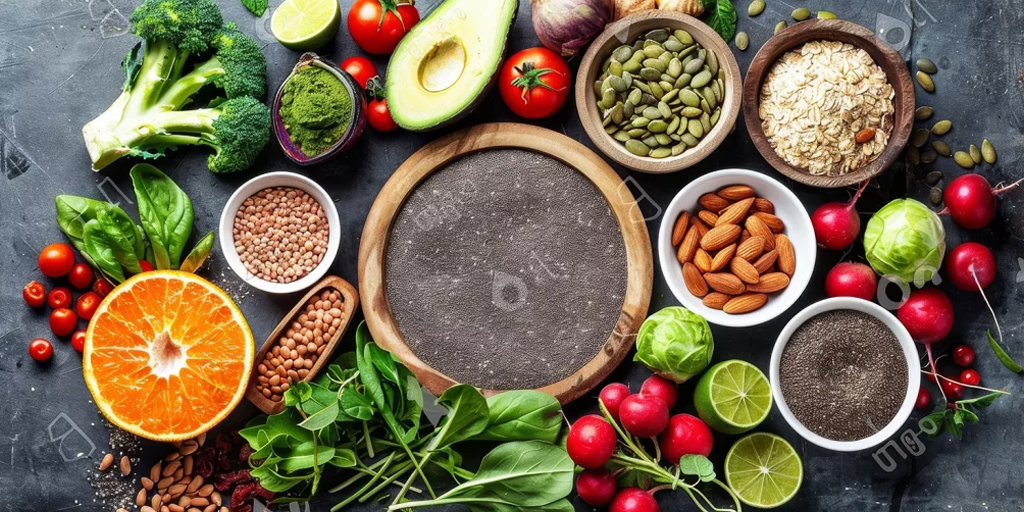
A balanced lifestyle begins with what we eat every day. A Healthy diet provides the body with essential nutrients, supports proper growth, and helps maintain overall well-being. In today’s fast-paced world, many people rely on processed foods and quick meals that lack nutritional value. Over time, this can lead to fatigue, weight gain, and a higher risk of chronic diseases. Learning how to build better eating habits is one of the most effective ways to improve both physical and mental health.
Nutrition is not about strict limitations or removing all your favorite foods. Instead, it focuses on balance, variety, and moderation. By understanding how food fuels the body, anyone can make smarter choices that support long-term health. This guide explains the basics of nutrition, the benefits of balanced meals, and practical strategies for maintaining a Healthy diet in everyday life.
Table of Contents
Benefits of a Healthy diet
Maintaining proper nutrition provides many advantages that go beyond simply controlling weight. A Healthy diet supports almost every system in the body, from the brain to the immune system.
1. Improved Energy Levels
Food is the body’s primary source of energy. Meals rich in whole grains, fruits, vegetables, and lean proteins provide steady fuel that helps people stay active and productive throughout the day. When the body receives the right nutrients, it avoids the sudden energy crashes that often occur after consuming sugary or highly processed foods.
2. Stronger Immune System
Nutrients such as vitamins A, C, D, zinc, and antioxidants help strengthen the immune system. Fruits, vegetables, nuts, and seeds contain compounds that protect the body from infections and inflammation. People who follow balanced eating habits are generally better equipped to fight illnesses.
3. Better Heart Health
Cardiovascular diseases remain one of the leading health concerns worldwide. Eating foods low in saturated fats and high in fiber can help maintain healthy cholesterol levels and reduce blood pressure. Whole grains, legumes, and healthy fats like those found in nuts and olive oil contribute to a stronger heart.
4. Improved Mental Well-Being
Nutrition also affects brain health. Research shows that balanced meals containing omega-3 fats, vitamins, and minerals support mood stability and cognitive function. People who maintain a Healthy diet often report improved concentration, better memory, and reduced risk of anxiety or depression.
Key Components of Balanced Nutrition
Understanding what should be included in daily meals makes it easier to build consistent habits. The following food groups form the foundation of good nutrition.
Fruits and Vegetables
Fruits and vegetables are rich in vitamins, minerals, fiber, and antioxidants. Experts often recommend filling at least half of your plate with these foods. Different colors usually represent different nutrients, so eating a variety helps ensure the body receives a broad range of benefits.
Whole Grains
Whole grains such as oats, brown rice, quinoa, and whole-wheat bread contain fiber and important nutrients that refined grains lack. Fiber supports digestion, regulates blood sugar levels, and helps people feel full for longer periods.
Lean Proteins
Protein is essential for building and repairing tissues. Good sources include fish, poultry, eggs, beans, lentils, tofu, and nuts. Including protein in meals can help maintain muscle mass and stabilize energy levels throughout the day.
Healthy Fats
Not all fats are harmful. Healthy fats from foods like avocados, nuts, seeds, and olive oil support brain function and heart health. They also help the body absorb fat-soluble vitamins.
Hydration
Water is often overlooked when discussing nutrition, yet it plays a crucial role in digestion, circulation, and temperature regulation. Drinking enough water daily is an important part of maintaining a Healthy diet and overall wellness.
Practical Tips for Maintaining Good Eating Habits
Adopting healthier eating patterns does not require dramatic lifestyle changes. Small, consistent improvements can make a significant difference over time.
Plan Meals Ahead
Meal planning helps people avoid last-minute decisions that often lead to unhealthy choices. Preparing ingredients or cooking meals in advance makes it easier to maintain balanced nutrition even on busy days.
Control Portion Sizes
Even nutritious foods can contribute to weight gain when consumed in large amounts. Learning appropriate portion sizes helps maintain energy balance without eliminating favorite dishes.
Limit Processed Foods
Highly processed foods often contain excessive sugar, salt, and unhealthy fats. While occasional treats are fine, relying on whole and minimally processed foods supports long-term health.
Eat Mindfully
Mindful eating involves paying attention to hunger cues, enjoying flavors, and eating slowly. This approach helps prevent overeating and encourages a healthier relationship with food.
Maintain Consistency
Consistency is more important than perfection. Occasional indulgences are normal, but regularly returning to balanced meals ensures the body continues receiving the nutrients it needs.
Common Challenges and How to Overcome Them
Many people struggle with maintaining healthy eating habits due to time constraints, limited access to fresh foods, or lack of knowledge about nutrition. Fortunately, several strategies can help overcome these obstacles.
Busy schedules can make cooking seem difficult. Preparing simple meals with minimal ingredients, using frozen vegetables, or cooking larger portions for multiple meals can save time while preserving nutritional value.
Cost is another concern. However, healthy eating does not always require expensive ingredients. Beans, lentils, seasonal produce, and whole grains are affordable and highly nutritious options.
Social situations can also influence eating choices. Restaurants and gatherings often offer high-calorie foods. In these situations, focusing on moderation rather than restriction helps maintain balance while still enjoying the occasion.
By understanding these challenges and planning ahead, individuals can continue following a Healthy diet without feeling overwhelmed or deprived.
Conclusion
Good nutrition is one of the most powerful tools for improving quality of life. The foods we choose each day influence energy levels, mental clarity, immune strength, and long-term health. While modern lifestyles often encourage convenience over nutrition, making mindful choices about what we eat can transform our well-being.
Building better eating habits does not require extreme dieting or complicated rules. Instead, it involves choosing a wide variety of nutrient-rich foods, staying hydrated, and practicing moderation. Over time, these simple steps create lasting improvements in health and vitality.
Ultimately, committing to a Healthy diet is an investment in both present wellness and future health. By prioritizing balanced meals and informed food choices, anyone can move toward a stronger, more energetic, and healthier life.